30 DAY MONEY BACK GUARANTEED

Unlock Clear Skin: The Ultimate Guide to Acne Treatment Gels
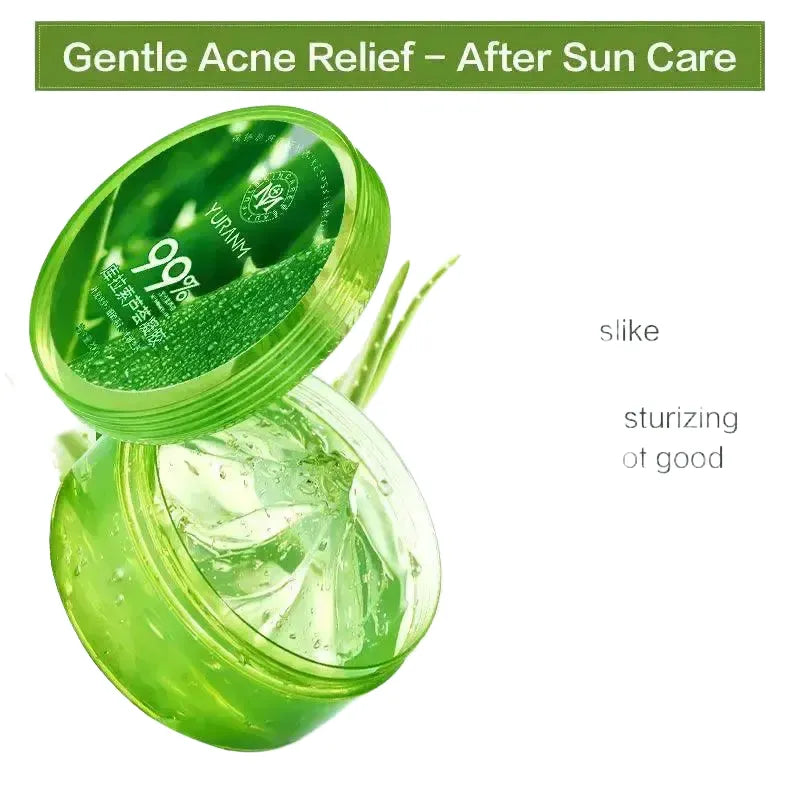
Unlock Clear Skin: The Ultimate Guide to Acne Treatment Gels
Struggling to achieve clear and radiant skin? You're not alone. Dealing with acne can be challenging, but with the right acne treatment gels, you can say goodbye to pesky breakouts and hello to a glowing complexion. In this comprehensive guide, we will dive deep into the world of acne treatment gels, providing you with all the information you need to transform your skincare routine and achieve the clear skin you've always dreamed of.
Understanding Acne Treatment Gels
Before we delve into the specifics of acne treatment gels, it's essential to understand what causes acne in the first place. Acne is a common skin condition that occurs when hair follicles become clogged with oil and dead skin cells, leading to the formation of pimples, blackheads, and whiteheads. Acne treatment gels are formulated to target this root cause of acne, effectively unclogging pores and reducing inflammation.
The Benefits of Acne Treatment Gels
Acne treatment gels offer a wide range of benefits for individuals struggling with acne-prone skin. From reducing excess oil production to minimizing the appearance of acne scars, these gels are packed with powerful ingredients that combat acne-causing bacteria and promote skin healing. With consistent use, acne treatment gels can help you achieve clear, smooth, and blemish-free skin.
Incorporating Acne Treatment Gels into Your Skincare Routine
Wondering how to incorporate acne treatment gels into your skincare routine? Fear not! In this guide, we will walk you through a step-by-step process on how to use acne treatment gels effectively to maximize their benefits. Whether you're dealing with stubborn breakouts or looking to prevent future acne flare-ups, we've got you covered.
Get ready to embark on a journey towards clear and healthy skin as we explore the ultimate guide to acne treatment gels. Say goodbye to acne woes and hello to confidence and radiance.
Key Takeaways:
- Understanding Acne Treatment Gels}
- Key Ingredients to Look for}
- How to Choose the Right Acne Treatment Gel}
- Application and Usage Tips}
- Combining Acne Treatment Gels with a Skincare Routine}
Understanding Acne Treatment Gels
What Are Acne Treatment Gels?
An acne treatment gel is a topical skincare product formulated to target and treat acne. These gels often contain active ingredients such as benzoyl peroxide, salicylic acid, or retinoids that work to unclog pores, reduce inflammation, and eliminate acne-causing bacteria.
How Do Acne Treatment Gels Work?
Acne treatment gels function by penetrating the skin to address the root causes of acne. They help to exfoliate dead skin cells, regulate sebum production, and kill bacteria. This process helps prevent new breakouts and promotes clearer skin over time.
Benefits of Acne Treatment Gels
Using acne treatment gels as part of a regular skincare routine can offer a range of benefits:
- Clearer Skin: These gels target acne at its source, helping to clear existing breakouts and prevent new ones from forming.
- Reduced Inflammation: Active ingredients in the gels work to decrease redness and inflammation associated with acne.
- Improved Skin Texture: By exfoliating and renewing the skin, these gels can help improve overall skin texture and tone.
- Prevention of Future Breakouts: Regular use of acne treatment gels can help maintain clearer skin by preventing future acne flare-ups.
Key Ingredients to Look for
Salicylic Acid
When it comes to acne treatment gels, salicylic acid is a powerhouse ingredient due to its ability to unclog pores and exfoliate the skin. This beta-hydroxy acid works by penetrating deep into the follicles, effectively removing excess oil and dead skin cells that contribute to acne formation. Salicylic acid also has anti-inflammatory properties, making it an excellent choice for those with sensitive skin.
Benzoyl Peroxide
Benzoyl peroxide is another key ingredient commonly found in acne treatment gels. It works by killing the acne-causing bacteria Propionibacterium acnes and reducing inflammation. This ingredient is highly effective in treating both inflammatory and non-inflammatory acne lesions. However, it can be drying to the skin, so it is important to start with a lower concentration and gradually increase as tolerated.
Retinoids
Retinoids are vitamin A derivatives known for their powerful exfoliating properties. They promote cell turnover, preventing the formation of comedones that can lead to acne. In addition to unclogging pores, retinoids also have anti-aging benefits, making them a valuable addition to any skincare routine. It is essential to start with a low concentration of retinoids to minimize skin irritation and gradually increase usage over time.
Comparison of Key Ingredients
| Ingredients | Benefits | Considerations |
|---|---|---|
| Salicylic Acid | Unclogs pores, exfoliates, anti-inflammatory | May cause dryness with overuse |
| Benzoyl Peroxide | Kills acne-causing bacteria, reduces inflammation | Potential skin dryness, start with lower concentration |
| Retinoids | Promotes cell turnover, prevents comedones, anti-aging | Start with low concentration to avoid irritation |
How to Choose the Right Acne Treatment Gel
Consider Your Skin Type
When selecting an acne treatment gel, it is crucial to consider your skin type. Different gels are formulated to target specific skin types, such as dry, oily, combination, or acne-prone skin. For oily skin, look for gels with oil-absorbing properties to prevent clogged pores. Those with dry skin should opt for gels that provide hydration without clogging the skin.
Assess Specific Concerns
Another important factor to consider is your specific skin concerns, such as acne severity and skin sensitivities. If you have severe acne, you may need a gel with higher concentrations of active ingredients like benzoyl peroxide or salicylic acid. For sensitive skin, opt for gentler formulations to avoid irritation.
Potential Side Effects Awareness
Before choosing an acne treatment gel, it's essential to be aware of potential side effects that may arise. Common side effects of acne gels include dryness, redness, and peeling of the skin. If you experience severe side effects like burning sensations or rashes, discontinue use and consult a dermatologist immediately.
Consultation with a Skincare Professional
If you are unsure about which acne treatment gel is best for you, it is always advisable to seek professional guidance. Dermatologists or skincare specialists can assess your skin condition and recommend products tailored to your specific needs. They can also provide guidance on how to incorporate the gel into your skincare routine for maximum efficacy.
Trial and Observation Period
Once you have chosen an acne treatment gel, it is important to give it some time to work. Patience is key when it comes to skincare products. Start by applying a small amount of the gel and monitor how your skin reacts. Consistency is essential to see results, so give the product a chance before making any conclusions.
Application and Usage Tips
Correct Application of Acne Treatment Gels
When it comes to acne treatment gels, proper application is key to seeing results. Start by cleansing your face with a gentle cleanser and pat dry with a clean towel. Take a pea-sized amount of the gel and gently apply it to the affected areas. Avoid rubbing vigorously as this can irritate the skin. Allow the gel to fully absorb before applying any other products.
Frequency of Use
The frequency of using acne treatment gels can vary depending on the product. Some gels are designed for daily use, while others may recommend using them every other day to prevent over-drying the skin. Follow the instructions provided on the product packaging or as advised by your dermatologist for best results.
Tips to Maximize Effectiveness
Maximizing the effectiveness of acne treatment gels involves more than just application. Here are some tips to help you get the most out of your skincare routine:
- Consistency is Key: Use the gel regularly as directed to see improvements in your skin over time.
- Combine with Gentle Products: Avoid harsh cleansers or exfoliants that can strip the skin of its natural oils. Opt for gentle, non-comedogenic products to complement the treatment.
- Protect Your Skin: Apply sunscreen daily to prevent UV damage, especially when using acne treatment gels that can increase skin sensitivity.
Summary Table: Application and Usage
| Step | Description |
|---|---|
| 1 | Cleanse: Wash your face using a gentle cleanser. |
| 2 | Apply: Take a pea-sized amount of the gel and gently apply to affected areas. |
| 3 | Absorb: Allow the gel to fully absorb before applying other products. |
| 4 | Frequency: Follow the recommended frequency of use for optimal results. |
Combining Acne Treatment Gels with a Skincare Routine
Understanding Acne Treatment Gels
Before delving into incorporating acne treatment gels into your skincare regimen, it's essential to grasp the role these products play. Acne treatment gels are specifically formulated to target blemishes, reduce inflammation, and unclog pores. They often contain ingredients like benzoyl peroxide, salicylic acid, or retinoids to combat acne-causing bacteria.
Incorporating Gels into Your Skincare Routine
Integrating acne treatment gels into a comprehensive skincare routine can significantly improve the effectiveness of the products. Here's how you can incorporate them seamlessly:
1. Cleanse Your Skin
Start by cleansing your skin with a gentle cleanser to remove dirt, oil, and impurities. This creates a clean canvas for the acne treatment gels to penetrate deeply into the pores.
2. Apply the Acne Treatment Gel
After cleansing, apply a small amount of the acne treatment gel to the affected areas. It's crucial to follow the instructions on the product packaging and avoid over-application, which can lead to dryness or irritation.
3. Hydrate and Moisturize
Hydration is key to maintaining a healthy skin barrier. Use a lightweight moisturizer to keep your skin hydrated without clogging pores. This step helps balance the drying effects of some acne treatment gels.
4. Sun Protection
Don't forget sun protection when using acne treatment gels, as some ingredients can increase skin sensitivity to UV rays. Opt for a broad-spectrum sunscreen with at least SPF 30 to shield your skin from sun damage.
Additional Products to Enhance Results
While acne treatment gels are potent on their own, combining them with other skincare products can amplify their efficacy. Consider these complementary products:
- Exfoliating Scrub: Incorporating an exfoliating scrub helps remove dead skin cells, allowing the acne treatment gel to penetrate deeper.
- Spot Treatment: For stubborn blemishes, a targeted spot treatment can provide extra care and accelerate healing.
- Hydrating Serum: A hydrating serum can boost moisture levels and prevent dryness caused by acne treatment gels.
Conclusion
After exploring the ins and outs of Acne Treatment Gels in this comprehensive guide, it is evident that achieving Clear Skin is not an elusive dream. By incorporating the right Acne Treatment products and following a consistent Skincare Routine, you can bid farewell to stubborn blemishes and welcome a radiant complexion.
Remember, the journey to clear skin requires patience and dedication. It's essential to understand your skin type, choose the appropriate Acne Treatment Gels, and stick to a tailored regimen. Consistency is key to reaping the benefits of your skincare efforts.
In conclusion, the road to clear skin is within reach, and with the right knowledge and products, you can overcome acne and embrace a confident, glowing appearance. Embrace your skincare journey, celebrate small victories, and don't hesitate to seek professional advice when needed.
Take the first step towards radiant skin today and say goodbye to acne woes. Your skin deserves the best care, so invest in yourself and unlock the potential of Acne Treatment Gels to unveil a complexion you'll love.
FAQs - Acne Treatment Gels
Q: How do Acne Treatment Gels work?Acne Treatment Gels typically contain active ingredients like salicylic acid or benzoyl peroxide that target acne-causing bacteria, unclog pores, and reduce inflammation, aiding in the treatment of acne.
Q: How often should I apply Acne Treatment Gels?It is advisable to follow the instructions provided with the specific product. Generally, Acne Treatment Gels are applied once or twice daily, depending on the formulation and your skin's tolerance.
Q: Can Acne Treatment Gels be used with other skincare products?Yes, Acne Treatment Gels can typically be incorporated into your skincare routine. However, it's essential to patch test new products and consult with a dermatologist to ensure compatibility and avoid any adverse reactions.
Q: How long does it take to see results with Acne Treatment Gels?The timeline for visible results may vary depending on your skin condition, the product used, and individual responsiveness. In general, it may take a few weeks to a couple of months to notice significant improvements in acne.